
The changing faces of brass banding...
In a week in which The Daily Telegraph newspaper provided an informed obituary of the achievements of trumpet player John Wallace CBE, the BBC Music Magazine gave its readers a much more perfunctory overview of the value of the movement from which he was proud to hail.
It was a stark reminder of the contradictions that continue to be repeated by the wider media when it comes to their assessment of the true artistic and cultural value of brass bands.
Wallace himself (below) was well aware of it.
A musician with a global level of respect, he remained throughout his life an incisive advocate for those brass band organisations that had long shed the majority of stereotype identity politic references that framed the BBC article.

Below the surface
Not that you would have thought that in reading ‘Strike up the band’ by journalist Anne Templer (January 2026 issue)
Where the Telegraph touched on Wallace’s decade-long drive to embrace change and musical outlook at what was to become the Royal Conservatoire of Scotland, the BBC article argueably failed to scratch below the surface of the all too familiar, deeply ingrained preconceptions it was so obviously keen to illustrate (or celebrate as 'first rate opportunities' as it said).
the BBC article failed to scratch below the surface of the all too familiar, deeply ingrained preconceptions it was so obviously keen to illustrate (or celebrate its 'first rate opportunities' as it said).
Wikipedia facts
To them, it appeared little had moved in a positive direction at all. Amid the seemingly Wikipedia-led reference points and observations stating that, “the makeup of brass bands has hardly changed” and, “youth bands, which offer free instruments and tuition, are vital to lower-income families”, came other less relevant ‘beginner guide’ facts.
some brass band instruments “aren’t used outside this medium” – such as the cornet, e flat horn and euphonium…
It was hard to know what to make of, “trombonists that play exclusively in brass bands can’t make an easy transition to other ensembles; not only do they read the treble clef (rather than bass), but the notes they play are different”. Then there was the 'fact' that some brass band instruments “aren’t used outside this medium” – such as the cornet, e flat horn and euphonium…
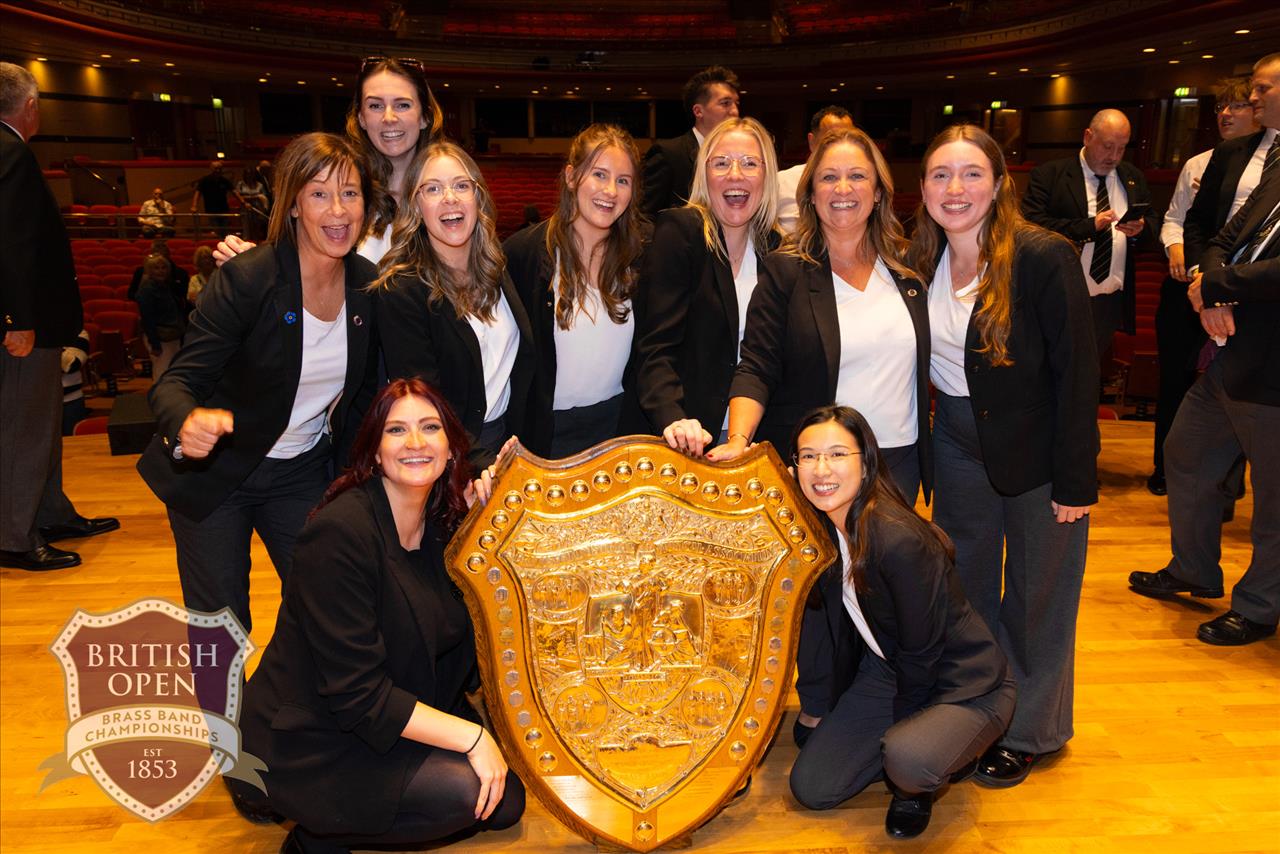
Bands even at the top level are ahead of the curve it seems...
It made for all too familiar reading - out-dated, misinformed and misleading. Perhaps though, it was simply that all the first name only interviewees that were quoted, shared the same perspective. It seemed so.
Brass banding in the UK certainly has its problems and challenges – from arts council funding freezes and a long list of education cuts, to addressing child protection issues, misogyny and lack of inclusion.
Ahead of the curve?
Yet it seemed curious that in describing brass bands as being “ahead of the curve” in filling the gap in some provision of education instrument teaching needs, not a single example was given of the work being undertaken to tackle this or other issues raised.
No mention of initiatives and presentations by the likes of Brass Bands England (below), the National Youth Brass Band of Great Britain, the pressure groups to force reductions or the abolition of education peripatetic fees in Scotland, or any of the other multitude of good working practice that has now permeated the fabric of brass banding in the UK. Not one.
And in a week in which the banding movement provides its annual showcase of excellence at the RNCM International Brass Band Festival, not a single mention of that either – although both Edward Gregson and Philip Sparke were name checked as composers who have remained “strongly connected to the technical and creative developments this music provides”.
Value
Perhaps we shouldn’t be surprised then that many main stream media articles still come with obligatory black and white ‘comedy effect’ pre-war photos of tiny children trying to blow their parent’s Bb bass, Paul McCartney trying to play a cornet in 1968 with Black Dyke Band or dated pictures of players ‘enjoying’ the ‘traditions’ of Whit Friday contesting – the contextual value of which seemed in the BBC Magazine case at least, to be negligible.
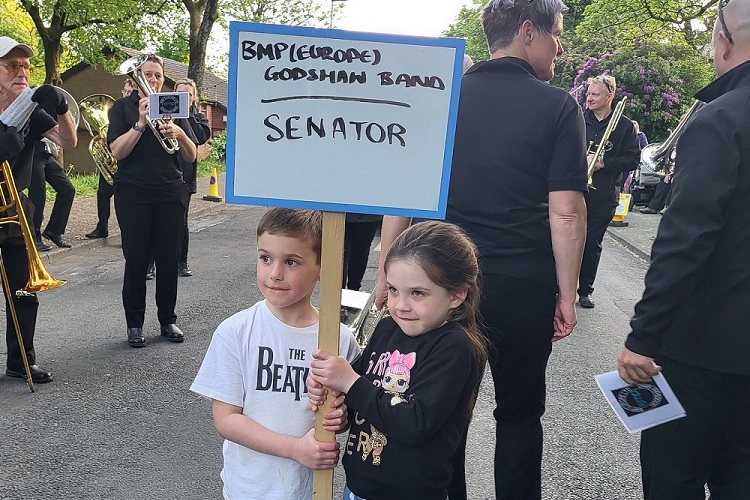
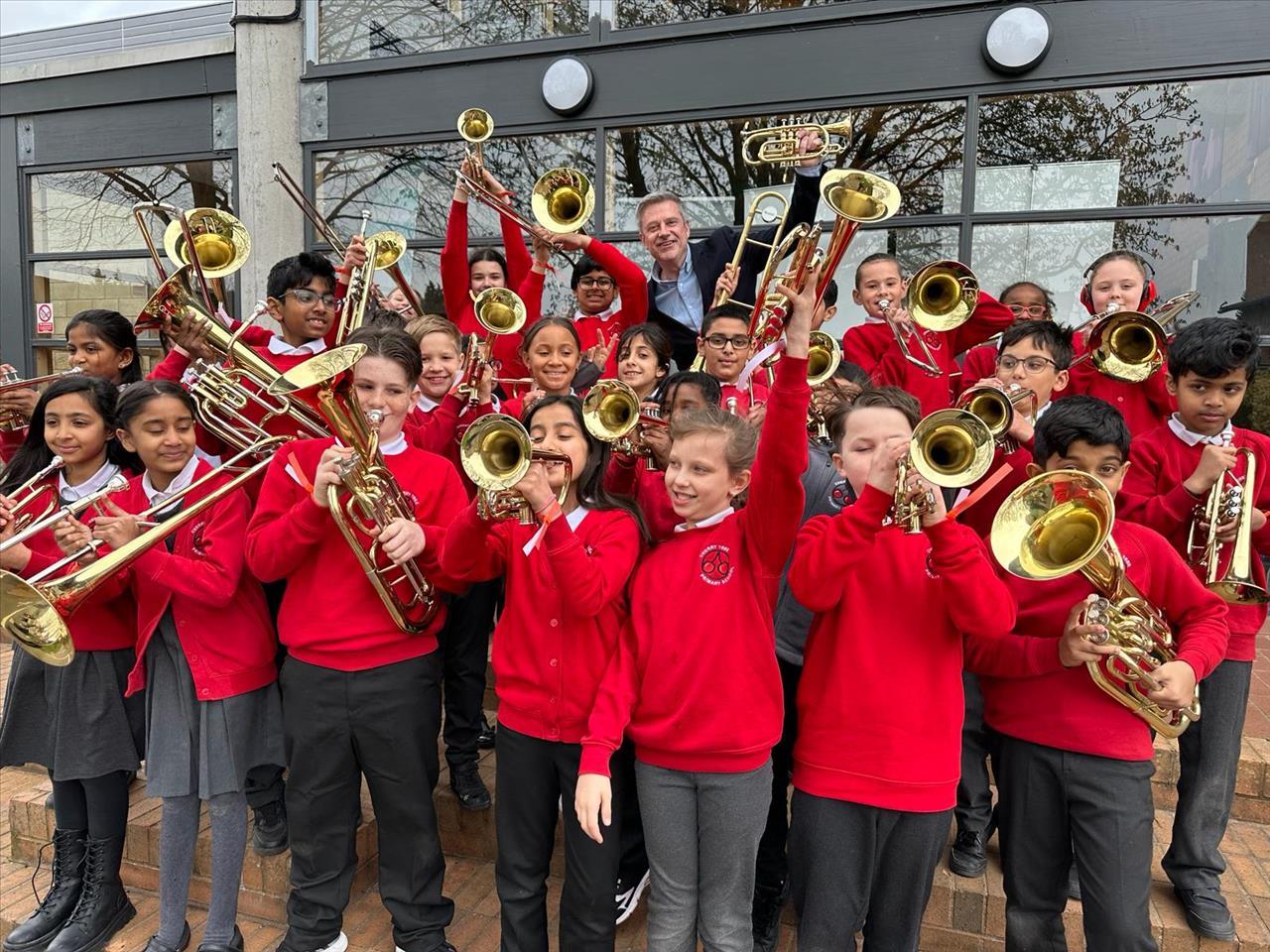
You don't need to put children in tubas to illustrate banding traditions
Changing views
We should however start to think about how we change the ingrained narrative that seems to accompany them.
It must be said however that not all the mainstream arts media has such a negative impression of what is going on in the banding world – and many journalists, critics and correspondents are very well informed about what we do (and what artistic value it has).
It must be said however that not all the mainstream arts media has such a negative impression of what is going on in the banding world – and many journalists, critics and correspondents are very well informed about what we do (and what artistic value it has).
Notable supporters
People such as Tom Service (BBC), Fiona Maddocks (The Observer), Richard Morrison (The Times), Huw Morris (The Guardian, New York Times and VAN magazine) are amongst notable supporters of the wider endeavours of the movement, whilst on-line critics such as Robert Hughill and John Quinn have regularly reviewed recordings produced to reach out to wider audiences.
And as much as would love to see them devote page after page of reviews and articles on the banding movement in their publications, the reality is that their editors know only too well that it wouldn’t command anything more than occasional interest.
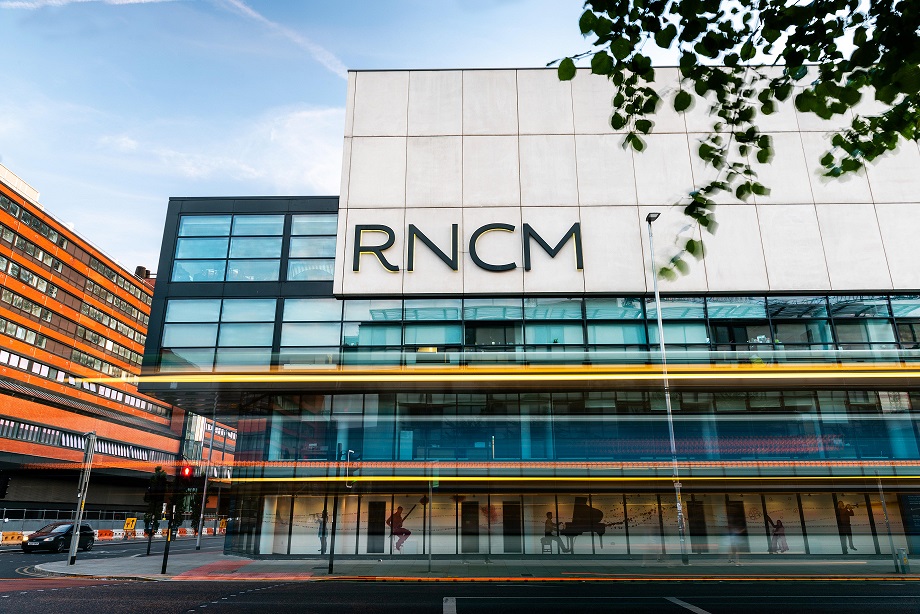
RNCM start
It is our job then to be proactive in changing that – starting potentially at the RNCM Festival itself (above) this weekend – especially as there is a Brass Bands England session earmarked to discuss the role of the brass band media.
Maybe it could be expanded (if there is time) to include some wider aspects. There is at least one London based freelance journalist who is making the trip with the aim to have an article published in a leading American mainstream magazine.
There is at least one London based freelance journalist who is making the trip with the aim to have an article published in a leading American mainstream magazine.
However, simply thinking that all we have to do is invite them to come for the weekend (or to any contest of concert event) on the promise that in return we expect a positive review in response to what we think we have to offer, is naïve in the extreme.
We have to be prepared to hear some uncomfortable truths too – especially when they are much better informed than some of late.
Iwan Fox