
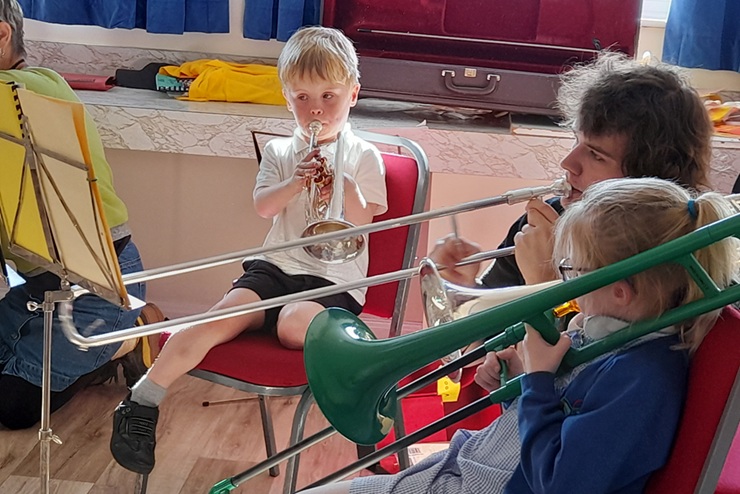
As music education across the UK has declined, community bands, especially those in rural areas have felt a particular impact.
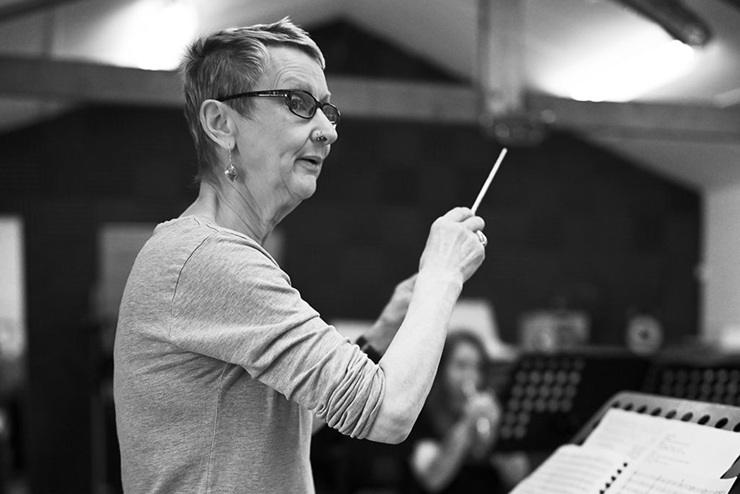
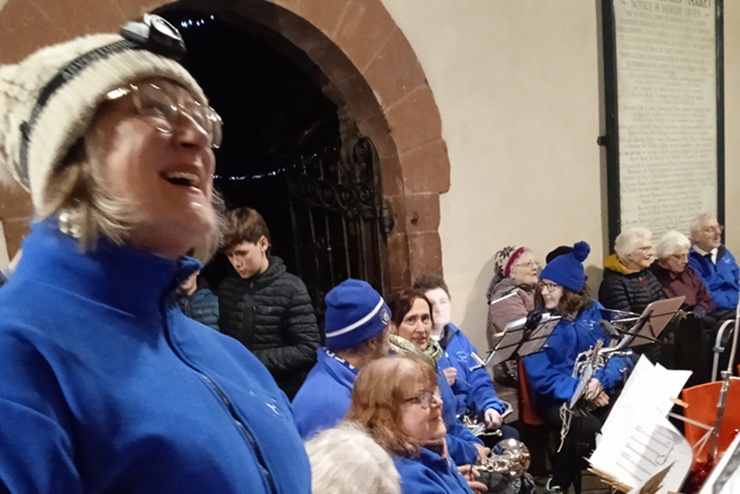
For Julie Hoggarth (below) the challenges inspired her to action and to initiate a new Participatory Action Research project that aims to understand the barriers to participation before searching for solutions.
Passion and realism
However, as she told 4BR, her passion comes with realism.
“For more than twenty years, I've watched opportunities steadily diminish for young people; not just to learn music, but to belong through music. Throughout I've felt that brass bands were best placed to reverse the trend, and I believe that even more so now.
Instrumental tuition has become harder to access, and fewer children experience the joy of playing in an ensemble
We’ve all seen music disappear from school timetables. Instrumental tuition has become harder to access, and fewer children experience the joy of playing in an ensemble.”
Stark statistics
Julie highlighted this with stark statistics.
“The numbers tell the tale: GCSE music entries have fallen by 12.5% from 2022-23, while A-level music entries have fallen by 45% from 2010-23. The Guardian newspaper reported that 42% of state schools now enter no pupils for GCSE music at all.”
Many are working incredibly hard to recruit new players, yet they're drawing from an ever-smaller pool.
The results have been felt across the country – and with Julie based in Cumbria, especially in her particular rural area.
“Our community bands across Cumbria are feeling the effects,” she says.
“Many are working incredibly hard to recruit new players, yet they're drawing from an ever-smaller pool. Volunteers continue to give their time generously, but sustaining community music has become increasingly difficult.
Wrong perspective
The conversation often turns to funding, changing lifestyles or the pressures on schools. All of these matter. But actually, I believe we’ve been taking the wrong perspective.”
It’s a persuasive argument, especially as its one that takes on a different perspective to that usual, “more money” plea placebo that many people think will cure the movement’s ails.
We really need to ask the people we are trying to reach out to, what would help them become regular participants in community bands.
Evidence needed
“We really need to ask the people we are trying to reach out to, what would help them become regular participants in community bands.
Too often, we’ve been trying to solve the problem from inside our own organisations. We have introduced new projects, changed rehearsal times, run recruitment campaigns and offered beginner groups.
Sometimes these have worked well; sometimes not. But too rarely have we gathered the evidence needed to understand why.”
Part of the pattern
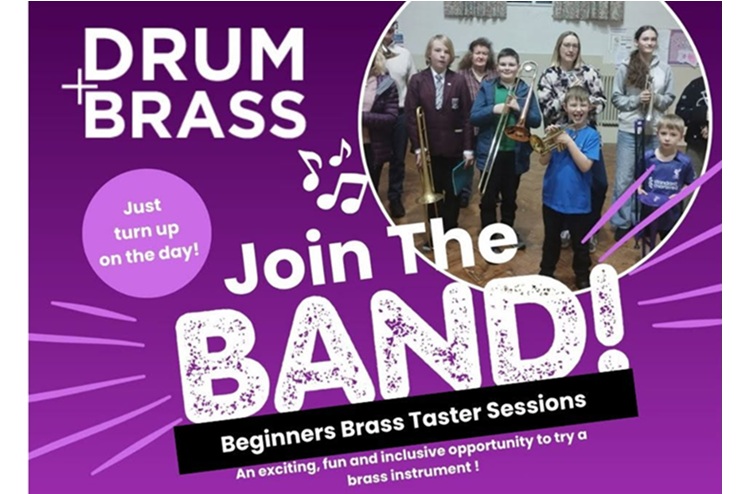
Julie admits that despite their fine record of success, her own Drum and Brass organisation has been part of this pattern too.
“We’ve spent more than a decade working alongside bands, schools and communities to widen access to brass playing. We tried all sorts of approaches from the grassroots youth bands to working with Brass Bands England's inclusion and diversity working group.
However, it’s in those conversations that we can build bridges and gain new insights
But these projects have all come from the inside, so to speak. To really grow bands, we need to put aside what we know and feel about bands and ask people what they think. That’s a little scary because we might hear things we don’t want to hear.
However, it’s in those conversations that we can build bridges and gain new insights.”
Participation to Pathways
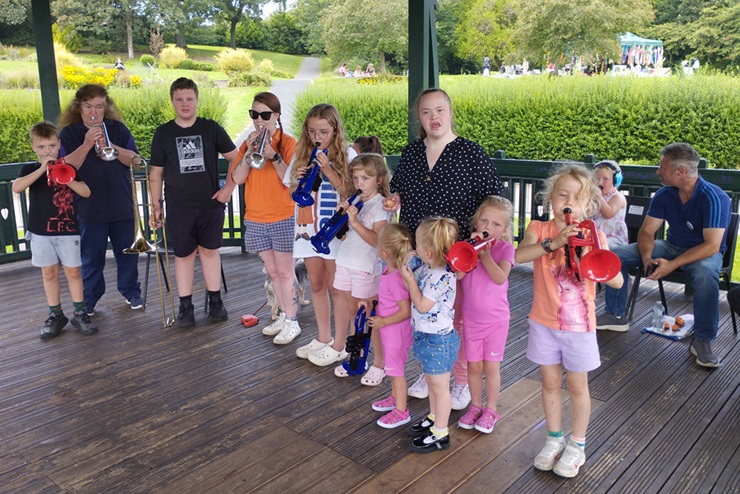
That has led to Drum and Brass launching ‘Participation to Pathways’ (or P2P), a new Arts Council England-funded research and development project working with community brass bands across Cumbria.
Julie reveals that it is a different approach.
“Rather than assuming we already know the answers, the project will work collaboratively with bands, schools, families and young people to explore the barriers that prevent participation and to test practical approaches that help people join, progress and remain involved in community music.”
We will support bands to develop beginner groups and training bands as testbeds and share findings as we go.
Over the next 18 months, Juie said the project will work with six partner bands across Cumbria on a number of connected questions.
- Where do our players actually come from, and where do we lose them?
- How do people find their way from first lesson to main band, and where do the gaps appear?
- What do the volunteers running these bands need, and how can they learn from each other?
Support bands
She added: “We will support bands to develop beginner groups and training bands as testbeds and share findings as we go. We are commissioning new music that sits between training-band and main-band repertoire; pieces that inspire players to keep playing but that also meet the needs of training bands: concert repertoire and skills building.
And we're asking parents and carers directly what would help their children stay involved, rather than guessing.”
The project will work with local schools such as Appleby Primary School, Tebay CP School, and Grayrigg CofE School, alongside advocacy pilots to improve understanding of affordability, progression and support within community bands.
Essence of success
So why does Julie think this approach will work?
“We know brass bands occupy an unusual position in British musical life. The instruments are relatively affordable and durable, the repertoire is vast, graded, and freely shared. Band venues are often already there; a community-owned space that doesn't depend on school timetables or commercial rents.
Organisational structures and safeguarding policies are generally in place, even if the pathways between them developing of regularly updating.
We have our challenges of course, but there is an essence of community ownership, inclusivity, accessibility and a ladder of progression. The question is whether we can ensure everyone knows about it.”
If we're serious about the future of brass culture, the first step isn't to guess what people need. It's to ask, and to listen
Ask and listen
Julie’s realism and honesty shines through.
“We don't expect to find one answer that works everywhere. Every community is different. Cumbria's geography presents real challenges. Long travel distances and limited public transport affect attendance at in-person sessions so hybrid approaches will be tested too.
But by listening carefully, learning together and building on the experience that already exists within our bands, we hope to create stronger pathways into lifelong music-making.
If we're serious about the future of brass culture, the first step isn't to guess what people need. It's to ask, and to listen.”
Iwan Fox

Get Involved with Participation to Pathways
Drum and Brass is seeking volunteers and partner organisations to support this project.
We need:
- Band leaders willing to share what works, and what doesn't
- Parents and carers who can tell us what would help their children stay involved
- Community organisations with rooms, transport, or resources to share
- Players, former players, and anyone who never started but might have wanted to
You could help by:
- Hosting a focus group or test session
- Sharing your band's recruitment story
- Helping with transport for rural sessions
- Simply spreading the word
To get involved: http://www.drumandbrass.co.uk
Julie Hoggarth (MPhil, PGCE, CTABRSM) has been involved in brass training bands since 2003. She has used her teaching and arts qualifications to take a questioning and community-centric approach to the various bands she has been involved with.
From establishing Wigston Band's beginner Horizon group to the most recent commitment to the renewed Cumbria Youth Brass Band she has aimed to secure a sustainable future for brass bands.
Her vision is for bands to be part of a lifelong social model that ‘levels up’ communities and provides essential skills and opportunities for our young people.